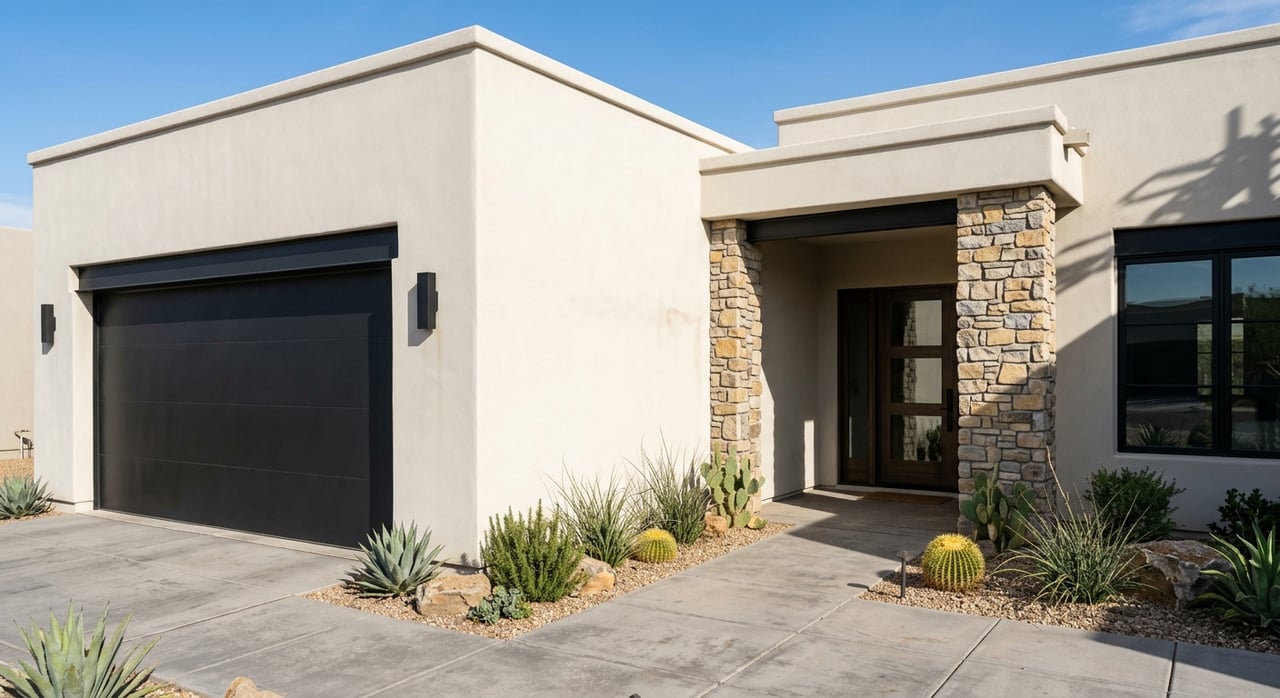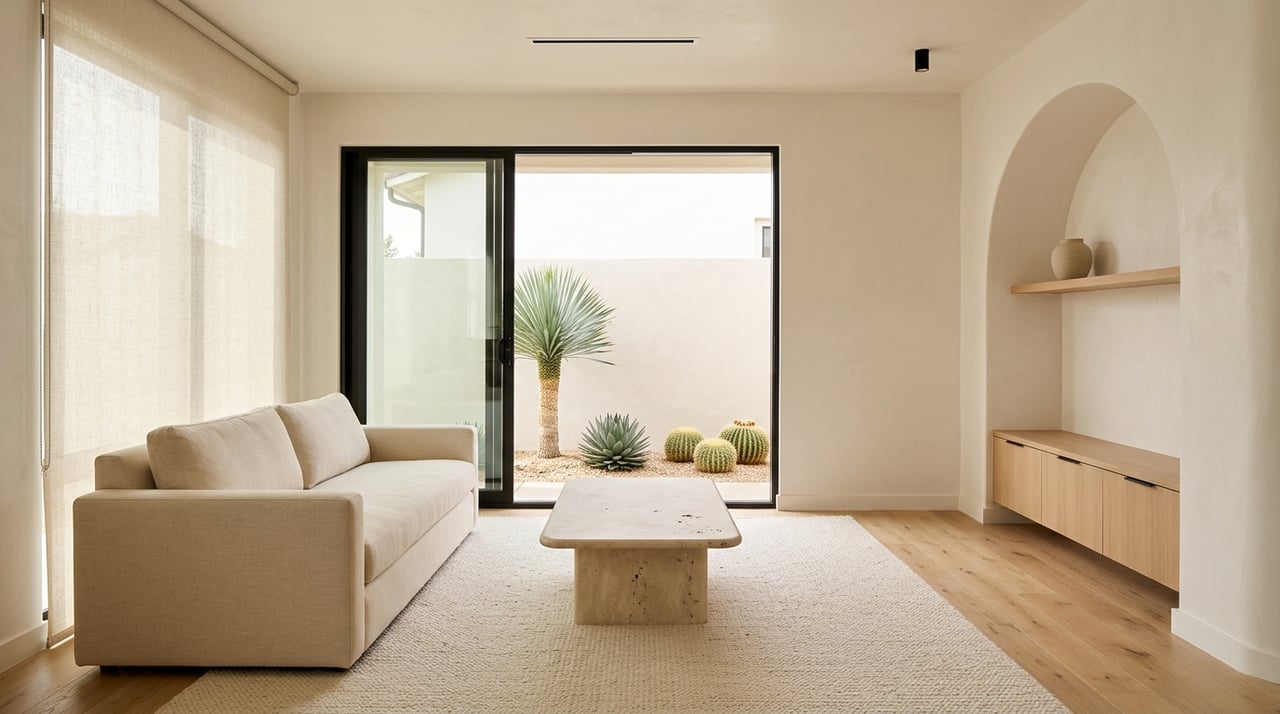
What makes one McNeil Estates listing stand out while another blends into the scroll? In a neighborhood known for vintage character, mature landscaping, and a distinct sense of place, design-conscious buyers are rarely looking for a generic flip. They want a home that feels authentic, beautifully presented, and easy to imagine living in. If you are preparing to sell in McNeil Estates, the right marketing strategy can help you highlight what makes your home memorable and marketable. Let’s dive in.
Why McNeil Estates Attracts Design Buyers
McNeil Estates has a recognizable identity in central Las Vegas. Local coverage describes it as a vintage neighborhood west of Rancho Drive and near Charleston and Oakey, with convenient access to downtown destinations, the arts district, and the medical district, including University Medical Center, along with a strong neighborhood feel and mature landscaping, according to KNPR’s local feature on central and downtown Las Vegas.
That setting matters because design-minded buyers often want something different from newer tract-style housing. Local reporting on vintage Las Vegas neighborhoods notes that buyers are drawn to larger lots, older-home character, mature trees, wider streets, and homes that feel connected to the past while still feeling fresh, as shared in the Las Vegas Review-Journal’s coverage of midcentury-home demand.
McNeil also benefits from visible neighborhood pride. The same Review-Journal reporting notes that residents used city grant money to install neighborhood signs with a 1960s-style motif, which reinforces the area’s period identity and gives sellers a stronger story to tell.
Lead With Authentic Character
If you want to reach design buyers, start by positioning your home as a distinctive property, not just another renovated listing. The most effective story usually centers on original character plus thoughtful updates, rather than old versus new.
That means your marketing should clearly explain:
- The year the home was built
- The architectural style or vintage era it reflects
- Original features that still remain
- Updates that improve daily function or comfort
- Outdoor elements that support the home’s setting and design
Design-conscious buyers often respond best when they can see what has been preserved and what has been improved. Based on local preservation commentary, many buyers in this segment want originality to be respected, not erased, especially in neighborhoods known for unique older homes and established streetscapes, as noted by the Review-Journal.
Preserve Features That Matter Most
Before you make final pre-listing changes, it helps to understand which features carry the most value in a vintage home. The City of Las Vegas historic design guidelines identify a range of character-defining features that are especially important to retain when possible, including materials, windows, doors, stairs, porches, railings, molding, and related craftsmanship, according to the City of Las Vegas Historic Design Guidelines.
Those guidelines also recommend preserving original windows when possible, maintaining original carports, and keeping mature trees and the relationship between the building and its landscape intact. They discourage vinyl windows, filling in window openings, changing carport rooflines or massing, and removing landscape features that shape the historic setting.
For sellers, the takeaway is simple: do not over-modernize. A design buyer is more likely to appreciate a home that still shows its roots, especially if improvements support comfort and livability without stripping away the details that make the property feel special.
Features Worth Highlighting in Your Listing
When you prepare your marketing, prioritize the details that support the home’s design story, such as:
- Original or preserved windows
- Carports with intact form and roofline
- Built-ins or fireplace details
- Mature trees and established landscaping
- Courtyards, patios, or outdoor living areas
- Distinctive rooflines and façade elements
- Craftsmanship in trim, doors, railings, or molding
These are often the elements that make buyers pause, save a listing, and schedule a showing.
Verify Historic Status Early
One of the most important steps in marketing a McNeil Estates home is verifying whether the property has any formal historic designation before you advertise it that way. The City of Las Vegas states that the Historic Preservation Commission reviews applications involving new construction, alteration, demolition, and removal of exterior elements for historic landmarks, districts, sites, buildings, structures, and objects, as outlined in the city’s Realtor guide to selling in historic districts.
That same guide says agents should consult the online map, contact the Historic Preservation Office with questions, inform buyers of verified historic status and any grant options, and contact the office again after the property is sold. It also notes that local-register properties may qualify for reimbursement grants up to $10,000 with an owner match, while National Register status is honorary unless federal funding is involved.
For McNeil Estates specifically, it is smart to avoid assumptions. The city’s neighborhood-level local register page identifies John S. Park and Beverly Green, so any McNeil home should be evaluated on a parcel-by-parcel basis rather than automatically described as part of a protected local historic district.
Tell a Better Renovation Story
The wrong listing language can make a character home sound generic. If your home has been updated, your goal should be to show that the work was selective and intentional.
Instead of focusing only on a renovation as a total transformation, explain how improvements support the original house. For example, buyers respond well to a story that says the home retains its vintage charm while benefiting from modernized systems, refreshed interiors, or more usable outdoor space.
This approach aligns with what local preservation voices say design-minded buyers want: homes that feel current enough for everyday living, while still maintaining a clear connection to the past, according to the Review-Journal’s reporting on buyer preferences in vintage Las Vegas neighborhoods.
Stage for Design Buyers
Staging can make a major difference, especially in a home with architectural personality. Design buyers are often evaluating not just square footage, but also scale, sightlines, natural light, and how the home feels from one room to the next.
The National Association of Realtors found in its 2023 Profile of Home Staging that buyers’ agents rated photos, videos, and virtual tours as important to their clients. NAR’s 2025 staging snapshot also reported that 83% of buyers’ agents said staging made it easier for a buyer to visualize the property as a future home.
If you are deciding where to start, NAR reports that the living room, primary bedroom, and dining room are the most commonly staged rooms. In a McNeil Estates home, staging should feel polished but restrained so the architecture, layout, and original details still lead.
Best Rooms to Stage First
- Living room
- Primary bedroom
- Dining room
Best Styling Priorities
- Keep furniture scaled to the room
- Let windows and natural light stay visible
- Use simple, edited décor
- Highlight original details instead of covering them
- Create clear flow between indoor and outdoor spaces
Invest in Strong Visual Marketing
Design buyers usually meet your home online before they ever step inside. That is why polished visuals are not optional in this niche.
NAR’s buyer research reports that photos are the most valued website feature among internet-using buyers, and its 2024 snapshot says that 43% of buyers began by looking online, according to the NAR infographic on today’s home buyers. For a home in McNeil Estates, that means your digital presentation needs to do more than document rooms. It should communicate atmosphere, design, and setting.
Your online package should showcase the features that make the property feel different from standard inventory, including:
- Façade and roofline
- Window design
- Lot depth
- Mature trees and landscape
- Courtyards or patios
- Original built-ins
- Fireplace details
- Flow from room to room
Professional photography, video, floor plans, and virtual tours help buyers understand both the look and the layout before they visit. That is especially important in a market where buyers may be comparing many listings quickly.
Price and Presentation Still Matter
Even a highly distinctive home needs disciplined pricing and presentation. In the broader Las Vegas market, January 2026 data showed 6,127 active listings, a median listing price of $460,000, an average of 74 days on market, and price reductions on 18.0% of listings, according to Realtor.com’s Las Vegas market trends report.
That backdrop matters for McNeil Estates sellers. A unique home can absolutely stand out, but it still needs a compelling first impression, a clear value story, and pricing that matches buyer expectations.
Generic copy is less likely to perform in this environment. A design-forward listing with a strong narrative, careful preparation, and elevated digital marketing gives buyers a reason to see your home as one-of-a-kind, not just one more option.
Build a Listing Strategy Around Story
If you are selling in McNeil Estates, the goal is not to make your home look like every other updated property in Las Vegas. The goal is to present it as an authentic vintage home with thoughtful improvements, preserved details, and a setting that cannot be duplicated.
That kind of strategy requires restraint, clarity, and a strong eye for what design buyers value most. When your home’s architecture, landscape, updates, and online presentation all work together, you create a listing that feels timeless, livable, and truly memorable.
If you are thinking about selling and want a design-aware strategy tailored to your home, Laurelle Timms offers polished marketing, elevated presentation, and concierge-level guidance designed to help distinctive Las Vegas properties stand out.
FAQs
What makes McNeil Estates appealing to design-conscious buyers?
- McNeil Estates is often valued for its vintage character, larger lots, mature landscaping, wider streets, and central Las Vegas location near downtown, the arts district, and the medical district.
Which original features should sellers preserve in a McNeil Estates home?
- Sellers should generally prioritize character-defining features such as original windows, doors, materials, molding, carports, mature trees, and landscape elements that support the home’s historic setting.
Do all McNeil Estates homes have historic designation rules?
- No. Historic status should be verified property by property through the City of Las Vegas before a home is marketed as formally historic or subject to preservation review.
What rooms should sellers stage first in a McNeil Estates listing?
- The living room, primary bedroom, and dining room are strong priorities because staging those spaces can help buyers visualize the home more easily.
What kind of online marketing works best for a McNeil Estates home?
- Professional photography, video, virtual tours, and floor plans work best when they highlight the façade, roofline, windows, lot depth, mature landscaping, outdoor spaces, and original architectural details.