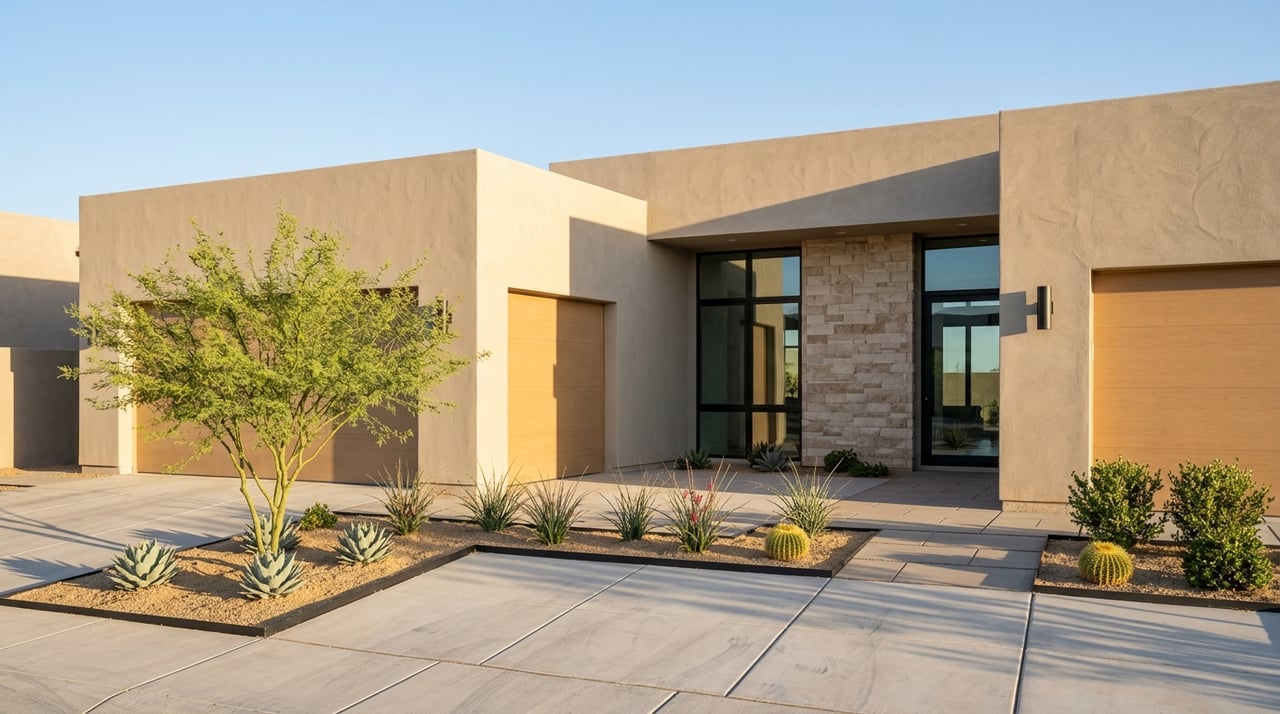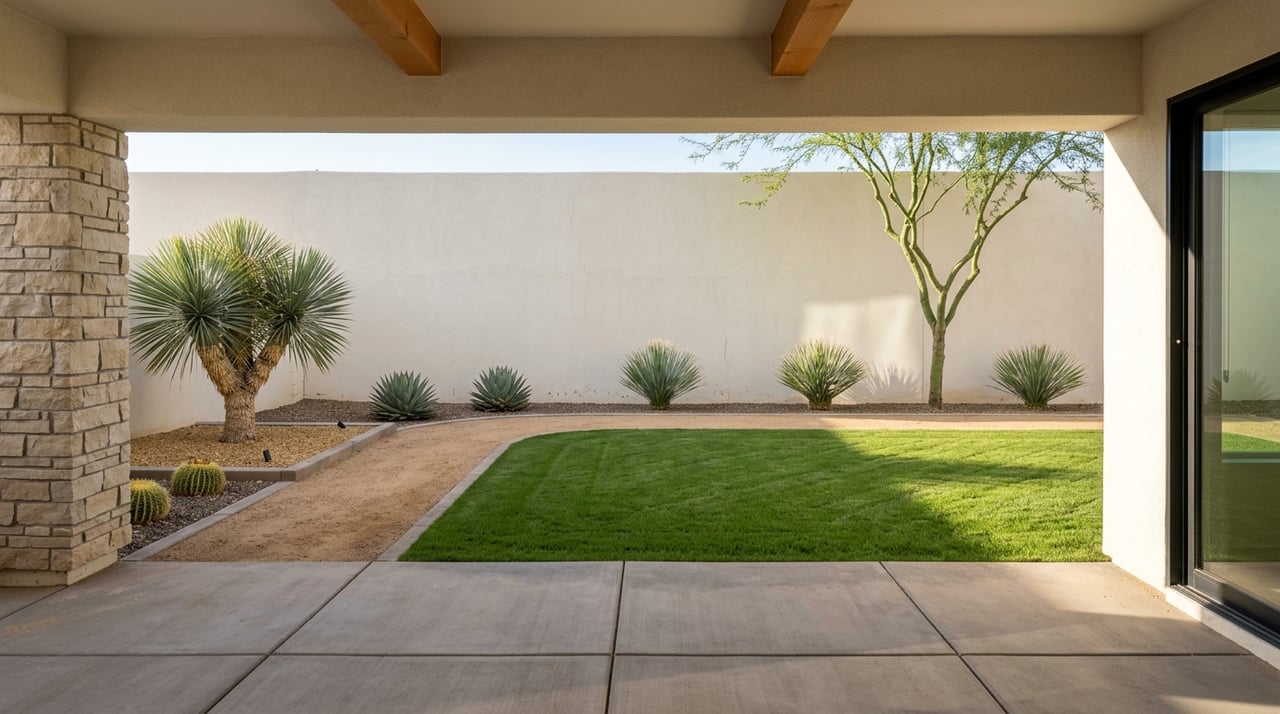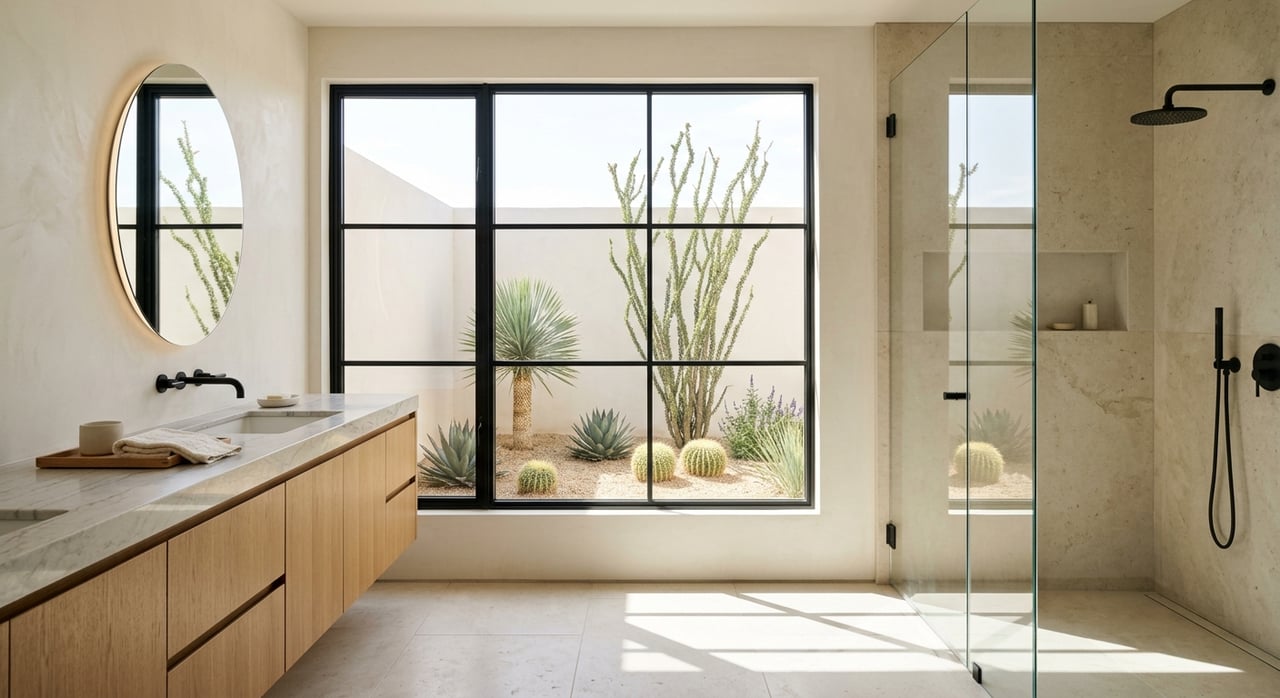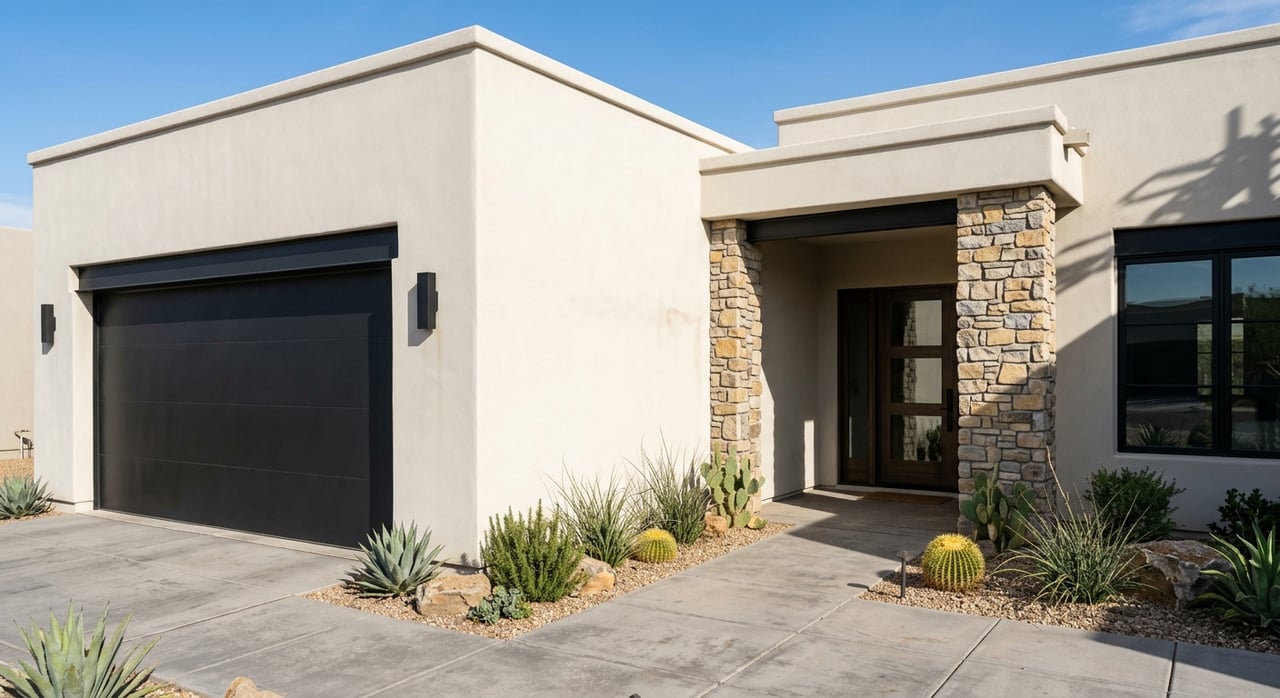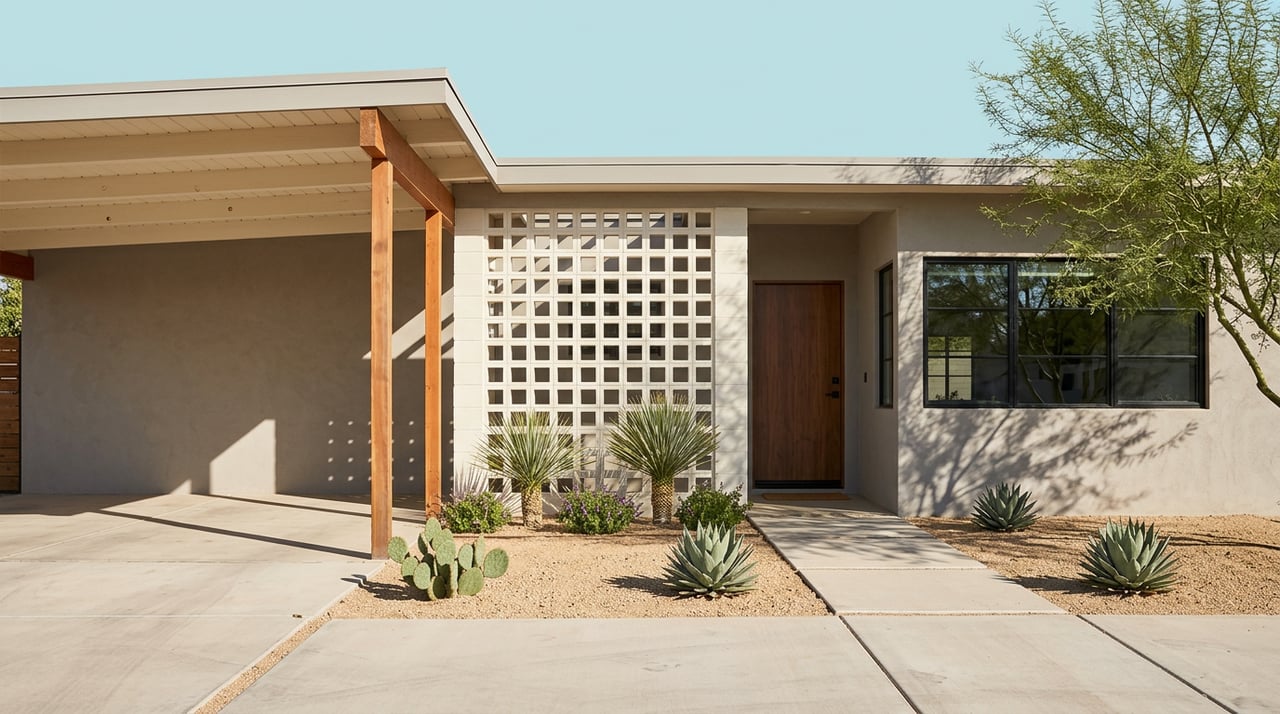
You love the clean lines, clerestory light, and indoor-outdoor flow that only true Mid-Century Modern delivers. If Paradise Palms keeps popping up in your search, you’re in good company. With the right plan, you can secure a piece of Las Vegas history and make it comfortable for today. In this guide, you’ll learn what to look for, how to inspect wisely, and how to update with care so you keep the character you fell for. Let’s dive in.
Why Paradise Palms matters
Paradise Palms is one of the Valley’s most significant Mid-Century neighborhoods. Built largely in the 1960s across multiple tracts and custom lots, the larger subdivision includes roughly 1,800 single-family homes on about 720 acres. Local records highlight work from Paradise Homes developers, early models by architect Hugh E. Taylor, and later sections with designs by Palmer & Krisel. It was conceived to bring desert-modern living to everyday life, drawing from Palm Springs influences. You can learn more from the detailed Nevada SHPO survey of early units.
Historic overlay basics
A portion of Paradise Palms has a Clark County Historic Neighborhood Overlay. That typically means exterior changes may require review, especially for visible features like rooflines, major windows, and decorative block. The upside is guidance and a community that values preservation. Get an overview from the neighborhood’s history and designation notes. Always confirm current overlay status with Clark County before you buy.
What homes look like
Expect a mix of plan sizes and elevations. Early models ranged from about 1,150 to 1,300 square feet, with larger variations arriving later. Plans often center on an open living area, with bedrooms on a private wing. Many homes were sited with carports and a service yard at the side, and living rooms oriented to the backyard, where pools were often added.
Signature features to spot
- Rooflines: low-slope and flat profiles, classic gables and sheds, plus folded-plate and occasional butterfly forms. Roof silhouette is a character-defining feature.
- Windows and glass: clerestories, picture windows, and floor-to-ceiling sliders that frame terraces and pools.
- Materials: decorative concrete screen block, exposed post-and-beam ceilings, period woodwork and built-ins, and occasional terrazzo or original tile.
- Outdoor rooms: the pool and rear yard usually serve as the main view and gathering space.
Common alterations to note
You will see carports enclosed into garages, 1970s mansard roof add-ons, replacement windows that change proportions, and paint or stucco over breeze block. Some changes are reversible, others are not. As you tour, decide what you are willing to restore and what you are not. For a helpful context on neighborhood evolution, see this Docomomo US profile.
How to evaluate a listing
Buying a mid-century home asks for a deeper look at systems and structure. Plan to attend inspections and gather complete documentation.
Inspection priorities
- Start with a full home inspection covering structure/roof, plumbing, electrical, HVAC, moisture/attic, and site drainage. Choose a licensed pro who follows a standard of practice like InterNACHI or ASHI. Review what a pro checks in this inspection SOP overview.
- Order specialized tests: a sewer-line camera inspection, a pool inspection, and asbestos/lead testing if original materials remain. Older clay or cast-iron lines can hide issues. This quick primer explains why buyers add a sewer scope.
- Verify system ages and permits: ask for installation dates and service records for HVAC, roof, water heater, and any electrical panel or repipe work. DOE guidance for historic homes suggests documenting systems before planning upgrades; see the Building America historic homes guide.
Site and orientation checks
- Slab and soil: these homes are slab-on-grade. Have your inspector or an engineer review for slab edge cracking, patio movement, and any tree-root influence.
- Sun and shading: living rooms with large glass often face the backyard. Note orientation. West-facing glass can run hot without good overhangs or shading. Preserve eaves that help with passive cooling and plan any future HVAC or shade additions so they work with the original roofline.
Original versus renovated
Both paths can be smart. Your choice depends on your appetite for projects and the integrity of the house.
If you love original condition
- Pros: intact period details, strong architectural character, and the potential to increase value with a sensitive restoration.
- Cons: you may need systems upgrades, energy improvements, and testing or remediation of legacy materials.
- Smart move: prioritize repair over replacement for windows, built-ins, and decorative block. Use national preservation guidance to plan upgrades in stages. The DOE guide for historic homes outlines practical steps.
If you prefer updated or turnkey
- Pros: newer systems, modernized kitchens and baths, and faster comfort.
- Cons: some renovations remove character, like reshaped rooflines, altered window proportions, or stuccoed breeze block.
- Smart move: focus on homes where upgrades respected key features. Ask for permits and contractor details for plumbing, electrical, HVAC, and roof work.
Negotiation tip: Use contingencies tailored to older homes. Request a sewer scope and HVAC service report, and seek proof that major work was permitted. Price your offer with realistic allowances for restoration or retrofit.
Preservation-minded upgrades that work
You can make a Paradise Palms home energy-efficient and comfortable while honoring its design. Two national frameworks can guide you: the Secretary of the Interior’s Standards for Rehabilitation for what to keep, and the DOE Building America guide for how to improve performance.
Windows and glass walls
- Preserve original frames and sliders where possible. Repair and weatherstrip first.
- Consider interior storm panels or low-profile secondary glazing before full replacements.
- If replacement is unavoidable, match proportions and sightlines and document decisions. Large sliders to the yard are defining features, so choose replacements that keep the original rhythm.
HVAC and insulation
- Start with an energy audit, air sealing, duct sealing, and attic insulation. These steps usually bring big gains with low visual impact.
- Explore ductless or slim-duct heat pumps that respect interiors and avoid heavy soffits. Place outdoor units and linesets where they do not distract from rooflines or decorative block.
Roofing, pools, plumbing, and safety
- Preserve the roof profile and overhangs while improving waterproofing. Keep scuppers, fascia, and trim lines clean and period-appropriate.
- Inspect pools carefully. Update equipment and finishes while preserving the indoor-outdoor connection that makes these homes special.
- Test for asbestos and lead before disturbing materials. Follow state and local rules for remediation and disposal.
Materials and finishes
- Retain built-ins, post-and-beam ceilings, terrazzo, and masonry. If you must replace, choose materials that match the original look and scale.
- Avoid heavy textures or trim that hide structural rhythm. Let the geometry and light stay clean and readable.
A buyer checklist for Paradise Palms
Use this quick reference as you write offers and schedule inspections:
- Confirm if the property falls within the historic overlay and whether exterior work needs review. Start with the neighborhood’s overview page and verify with Clark County.
- Book a full home inspection that follows a professional SOP. See what’s typically covered in this inspection standard.
- Add a sewer-line camera inspection and a pool inspection. Read why buyers add a sewer scope.
- Order testing for asbestos and lead if original materials are present.
- Collect ages and permits for roof, HVAC, water heater, electrical panel, and any repipe work.
- If the house is largely original, plan upgrades as a whole-house strategy rather than one-off fixes. The DOE guide is a solid roadmap.
Your next steps
If you are drawn to Paradise Palms, you are buying more than a house. You are choosing a piece of Las Vegas design history. With clear inspections, a preservation-minded plan, and the right representation, you can secure a home that looks exceptional and lives comfortably in the desert climate.
For tailored guidance, curated on- and off-market options, and a design-forward approach to inspections and negotiation, reach out to Laurelle Timms. You will get concierge-level service and a plan that protects both character and value.
FAQs
What defines Mid-Century Modern in Paradise Palms?
- Homes emphasize low, expressive rooflines, clerestory and picture windows, post-and-beam details, and indoor-outdoor flow with rear yards and pools, as documented in the Nevada SHPO survey.
How does the historic overlay affect exterior changes?
- In overlay areas, visible exterior work like rooflines, major glazing, and decorative block may require review; start with the neighborhood’s overlay overview and verify requirements with Clark County.
Which inspections are most important for these 1960s homes?
- A full home inspection, plus a sewer-line camera, pool evaluation, and asbestos/lead testing if original materials remain; see the inspection SOP and sewer scope primer.
How can I upgrade energy performance without losing character?
- Follow preservation-first planning: repair windows where possible, air seal and insulate attics, seal ducts, and consider discreet heat pump systems; the DOE guide outlines steps.
What renovations risk hurting historic value?
- Alterations that change roof profiles, window proportions, or cover decorative block are red flags; see neighborhood context in this Docomomo US article.
What offer terms help when buying an older home in Paradise Palms?
- Add contingencies for a sewer scope and HVAC service report, request permits for major work, and price in realistic costs for sensitive restoration based on inspection findings.