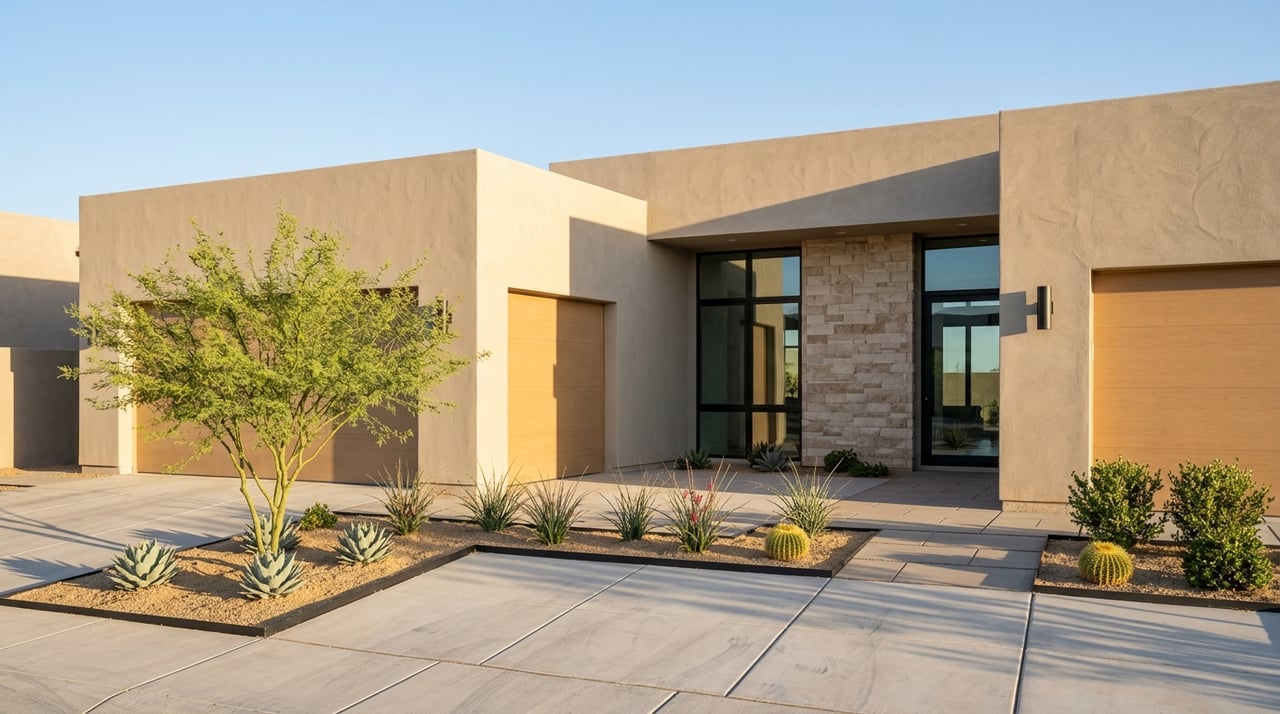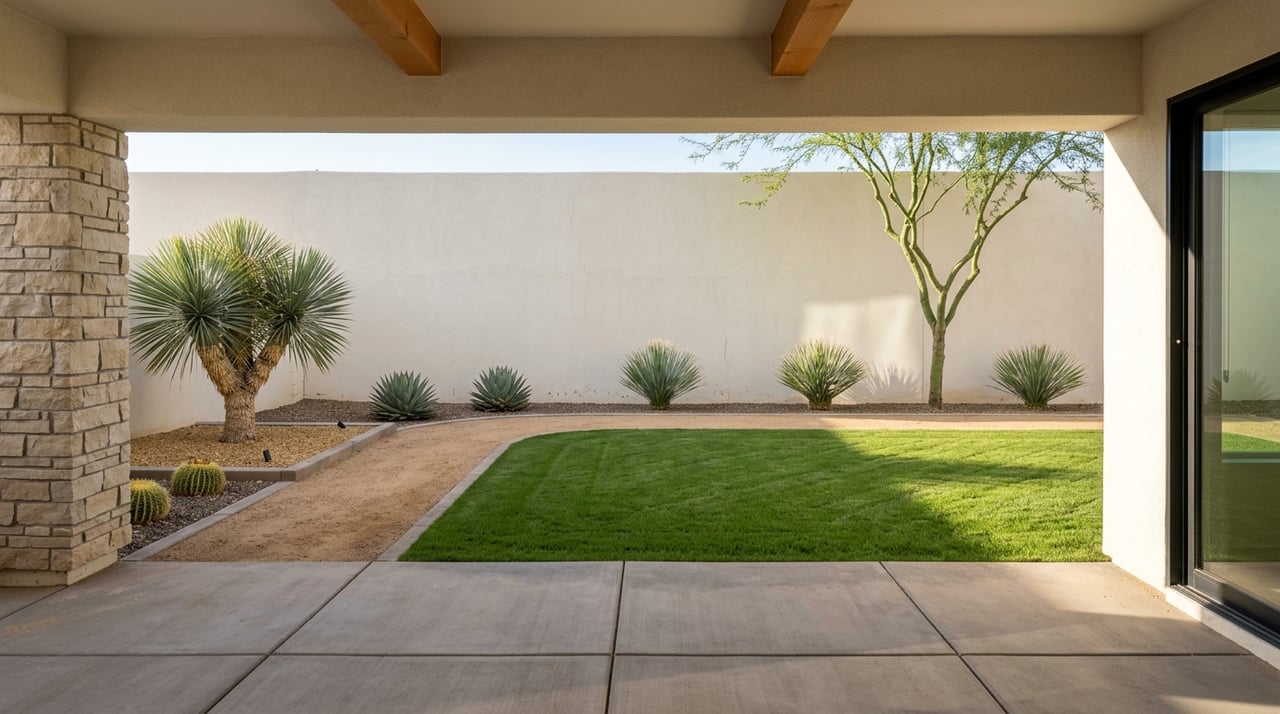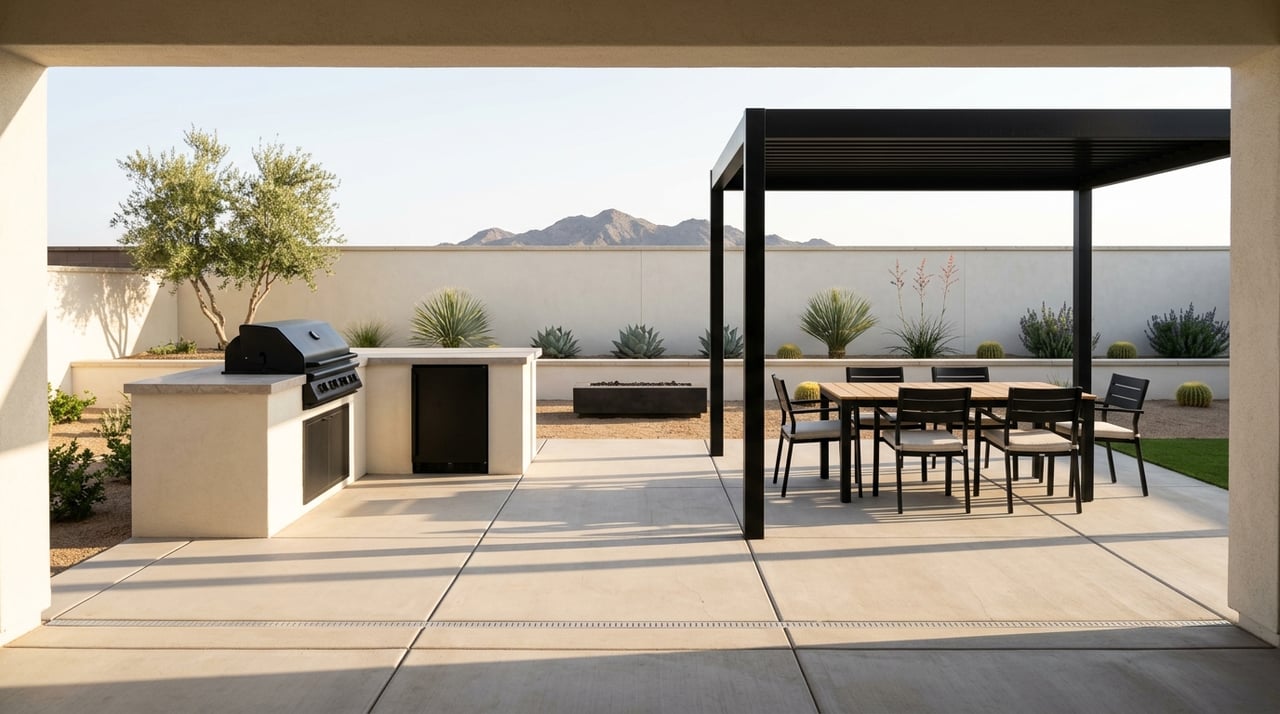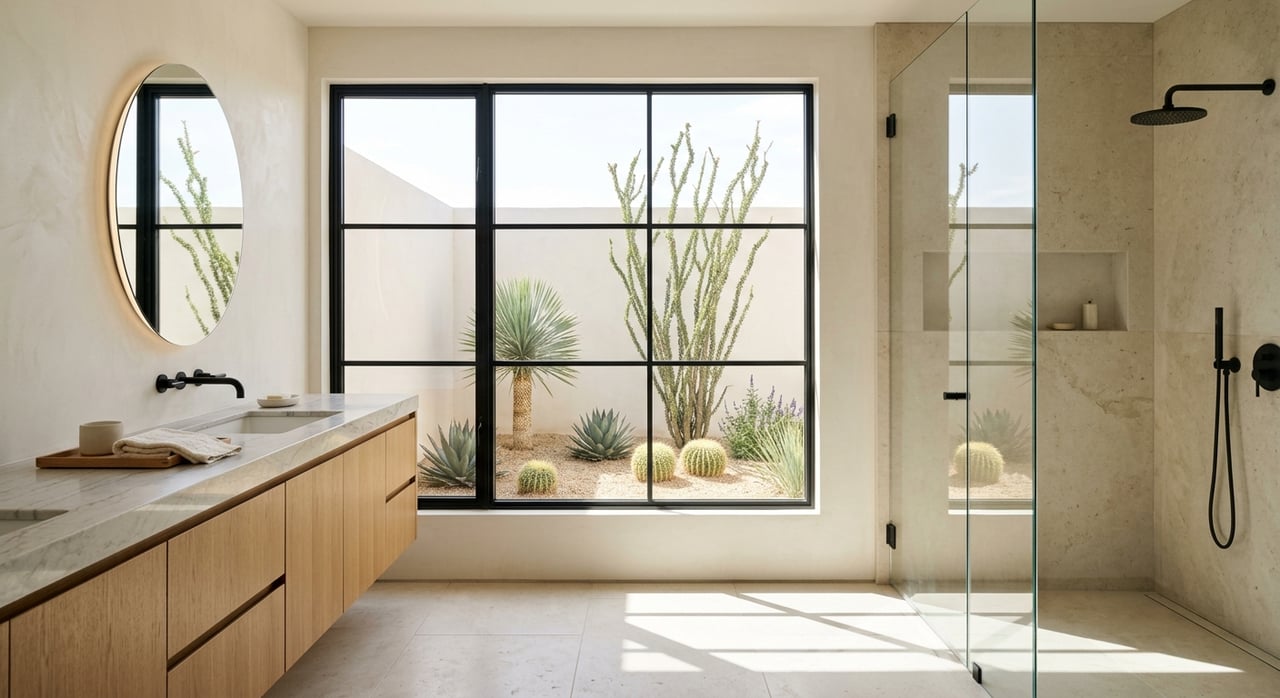
If you are getting ready to sell an estate in Rancho Bel Air, your first instinct might be to do everything at once. In reality, the best results usually come from a focused plan that balances presentation, privacy, and paperwork. When inventory is limited and buyers are comparing every detail online, a polished launch matters. Let’s walk through how to prepare your Rancho Bel Air home for market with clarity and confidence.
Why preparation matters in Rancho Bel Air
Rancho Bel Air is a niche market, and that cuts both ways. Realtor.com’s March 2026 summary showed only four active listings in the neighborhood, which means there is not enough local data to rely on broad averages alone.
That small sample makes property-specific strategy especially important. Your pricing and presentation should be shaped by comparable sales, your home’s condition, and what today’s buyers will notice most.
The wider Las Vegas market also gives useful context. Realtor.com reported that city inventory rose nearly 16% year over year in March 2026, with a median list price of $465,000 and median days on market of 53 days.
That tells you something simple but important. Buyers have options, so homes that feel clean, well-maintained, and move-in ready often have the strongest first impression.
Start with a curated estate edit
You do not need to strip your home of all personality to prepare it for sale. In fact, a thoughtful estate presentation often works better when it feels edited rather than erased.
According to NAR’s 2025 staging survey, many sellers’ agents do not fully stage every room before listing. Instead, they often recommend decluttering and addressing property faults first.
That approach fits estate homes well. You want buyers to appreciate scale, flow, and distinctive features without getting distracted by personal items or visual clutter.
What to remove before listing
Start by removing anything that makes the home feel too specific to your daily life. The goal is to make the space easier to read in person and in photos.
Focus on removing:
- Personal photographs and highly personal decor
- Excess furniture that blocks circulation or shrinks a room
- Paperwork, mail, and visible personal records
- Small collectibles that create visual noise
- Valuable portable items, art, or heirlooms you do not want exposed during showings
- Extra countertop appliances and utility items
If you are still living in the home, this step can make day-to-day showing prep much easier. Fewer items out in the open means faster resets before a tour.
What to keep in place
Not every original or distinctive feature should go. If a finish, light fixture, built-in element, or architectural detail still reads as intentional and upscale, it may help the home stand apart.
This is where restraint matters. Keep the pieces that support the home’s design story, and remove the ones that make the property feel dated, crowded, or hard to maintain.
Think in terms of balance. Buyers should notice the home first, then the styling.
Stage the rooms that shape buyer emotion
You do not always need to stage every square foot to create impact. NAR’s 2025 staging survey found that staging helps buyers visualize a home as their future home, and buyers’ agents also rated photos, physical staging, videos, and virtual tours as important listing assets.
The same survey found that the rooms staged most often were the living room, primary bedroom, and dining room. Outdoor or yard space was also staged in 31% of cases.
For an estate in Rancho Bel Air, those priorities make sense because they frame how buyers experience comfort, scale, and lifestyle.
First rooms to stage
If you want the biggest return on effort, begin here:
- Living room for scale, layout, and first-impression warmth
- Primary bedroom for a calm, finished retreat feel
- Dining room for entertaining and visual continuity
- Outdoor spaces for arrival, relaxation, and usable living area
A restrained, design-forward approach usually works best. Clean lines, fewer pieces, and well-placed texture can make large rooms feel elegant rather than empty.
Refreshes worth doing before launch
NAR’s 2025 Remodeling Impact Report says REALTORS most often recommend painting the entire home or a single room before listing. The same report also found that 92% of REALTORS suggested improving curb appeal before listing, and roof work appears as a common recommendation when condition calls for it.
For many Rancho Bel Air sellers, that points to a practical pre-listing checklist:
- Repaint tired or overly personalized rooms in a clean, neutral palette
- Touch up trim, doors, and areas with visible wear
- Sharpen front entry presentation and landscaping
- Address deferred maintenance that may raise buyer concern
- Review roof condition if there are visible issues or known past problems
You do not need to renovate everything. In most cases, clean, cohesive, and well-maintained beats over-improving right before market.
Prepare for photos and online launch
Your first showing often happens on a screen. NAR reported in 2026 that 52% of buyers found the home they purchased online, and 81% rated listing photos as the most useful feature during their search.
That makes visual preparation one of the most important parts of your launch. Early views, saves, and shares in the first few days can also influence whether a listing continues surfacing in search and alerts.
For a design-forward estate, professional photography and virtual tours are not just nice extras. They help buyers understand the home’s layout, finishes, and atmosphere before they ever book a showing.
Photo-day checklist
Before photography, make sure the home is:
- Fully cleaned, including glass, floors, and exterior approach
- Cleared of personal documents and small valuables
- Edited to reduce excess furniture and decor
- Styled consistently across main living spaces
- Ready with lights working and window coverings adjusted
- Presented with outdoor areas swept and furniture arranged
A strong digital debut sets the tone for everything that follows. In a market where buyers can compare many homes quickly, details matter.
Protect privacy during showings
Selling an estate often means balancing exposure with discretion. That is especially true if you are still living in the home or if the property contains art, collections, records, or other high-value items.
NAR’s consumer privacy guide notes that listings are typically shared through the MLS and then through brokerage websites and portals. It also confirms that photography and video are now routine during the sales process.
Smart showing practices for occupied homes
If you are living in the property during the listing period, create a system that protects your time and privacy while keeping access manageable.
A strong plan may include:
- Pre-scheduled private tours rather than open-ended access
- One central showing calendar
- A single point of contact for vendors and appointments
- Securing valuables and removing personal documents
- Requesting a no-photography note in the MLS when appropriate
- Using an electronic lockbox that records who enters and when
NAR’s privacy guidance also notes that appraisers, property data collectors, inspectors, and repair professionals may need access during the sale. A coordinated schedule helps reduce disruption and keeps everyone working from the same plan.
For added screening, Las Vegas REALTORS announced in March 2026 that members have access to the FOREWARN safety tool, which can help verify identity and related background indicators for prospective clients. For a privacy-sensitive listing, that can support controlled access and pre-scheduled tours.
Gather Nevada disclosures early
Paperwork can delay a launch if you leave it until the last minute. For estate properties, this is one of the most important parts of pre-listing preparation.
Nevada’s Seller Real Property Disclosure Form 547 requires sellers of residential real property to disclose known conditions that materially affect value or use. The form must be completed and served at least 10 days before conveyance, and the seller must update the buyer in writing if a new defect is discovered or an existing defect worsens before closing.
The form also makes clear that the seller’s agent may not complete it on the seller’s behalf, and that it is not a warranty.
Key issues to reconcile before going live
Form 547 asks about a wide range of property conditions and ownership matters. For Rancho Bel Air estates, it is smart to review these categories early, especially if the home is older or has had extensive improvements.
Pay close attention to:
- Electrical, plumbing, sewer, septic, heating, and cooling systems
- Fireplaces and chimneys
- Pools and spas
- Roof problems
- Structural or foundation issues
- Drainage or flooding concerns
- Unpermitted work
- Shared walls or driveways
- Common-interest-community authority, assessments, liens, or litigation
- Approvals for modifications
If your home has a pool, custom systems, additions, or older upgrades, gathering records before marketing can help prevent avoidable delays later.
Request HOA documents if applicable
If the property is part of a common-interest community, do not wait to order the resale package. Nevada Real Estate Division materials say the association must generally furnish the package within 10 calendar days after a written request, and the package remains effective for 90 days.
That timing matters if you want a smooth listing and escrow process. Ordering early gives you time to review documents and solve issues before a buyer is under contract.
What the Nevada resale package includes
Nevada materials state that the package generally includes:
- Declaration or CC&Rs
- Bylaws
- Rules
- Association information statement
- Current operating budget
- Year-to-date financial statement with reserve summary
- Statement of assessments and unpaid obligations
For an established Las Vegas enclave, it is also wise to gather permit history and records for prior additions or pool and spa work as early as possible.
Price with precision, not assumptions
Because Rancho Bel Air has limited active inventory data, pricing should be careful and evidence-based. The most defensible approach is to weigh comparable sales, current condition, updates, lot appeal, and the quality of the buyer experience you are putting into the market.
That means preparation and pricing go hand in hand. A home that launches cleanly, shows beautifully, and comes with organized disclosures gives buyers more confidence and gives your pricing strategy stronger support.
A refined launch is not about doing the most. It is about doing the right things in the right order.
When you are preparing a Rancho Bel Air estate for market, the winning formula is usually straightforward: edit thoughtfully, stage the rooms that matter most, protect privacy, gather documents early, and present the home with real intention. If you want a discreet, design-conscious plan tailored to your property, Laurelle Timms can guide you through each step with concierge-level care.
FAQs
What should you remove before listing a Rancho Bel Air estate?
- Remove personal photos, visible paperwork, portable valuables, excess furniture, small collectibles, and anything that makes rooms feel crowded or overly personal.
What should you keep in place when selling a Rancho Bel Air home?
- Keep architectural details, intentional finishes, and select furnishings or decor that support the home’s design and help buyers understand scale and flow.
Which rooms should you stage first in a Rancho Bel Air estate?
- Start with the living room, primary bedroom, and dining room, then give attention to outdoor spaces that contribute to the property’s overall presentation.
How should showings work if you still live in your Rancho Bel Air home?
- Use pre-scheduled tours, a central calendar, controlled access, secured valuables, and a clear vendor coordination plan to protect privacy and reduce disruption.
What Nevada disclosure form do sellers use before closing on residential property?
- Sellers use Nevada Seller Real Property Disclosure Form 547 to disclose known conditions that materially affect value or use, and they must update the buyer in writing if conditions change before closing.
What HOA documents should you gather for a Nevada common-interest community sale?
- The resale package generally includes the declaration or CC&Rs, bylaws, rules, association information statement, current operating budget, year-to-date financial statement with reserve summary, and statement of assessments and unpaid obligations.