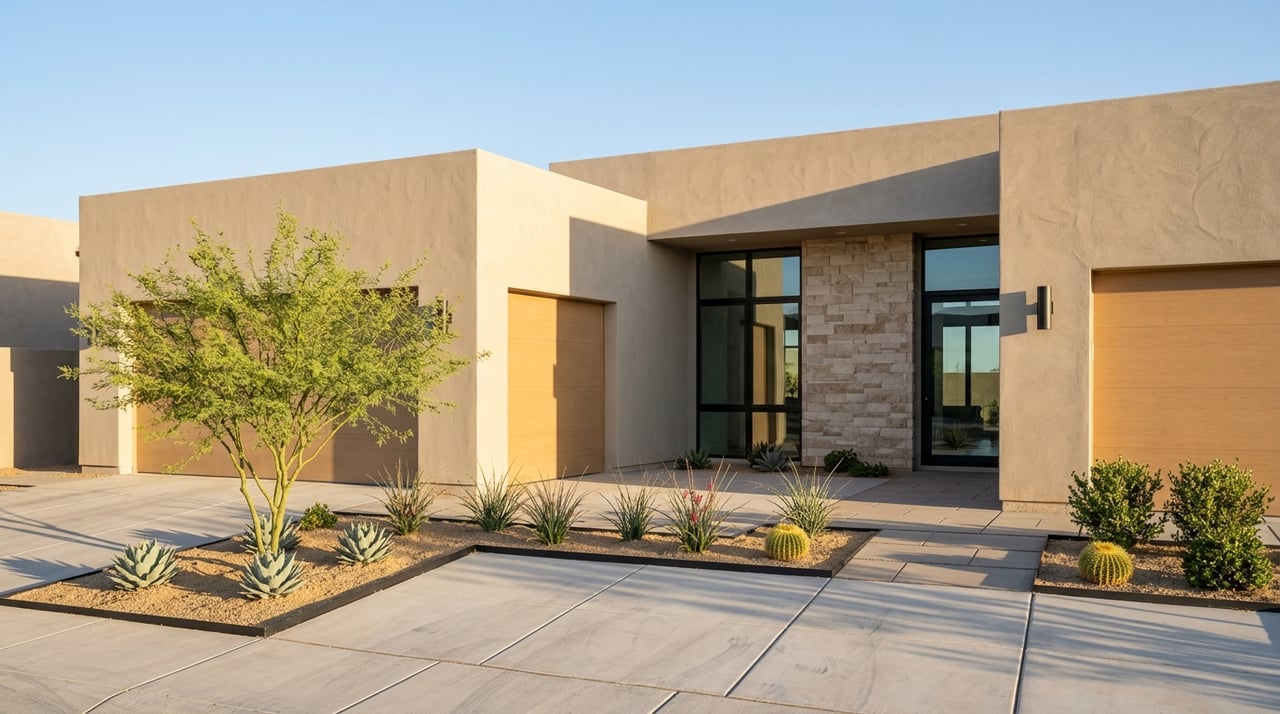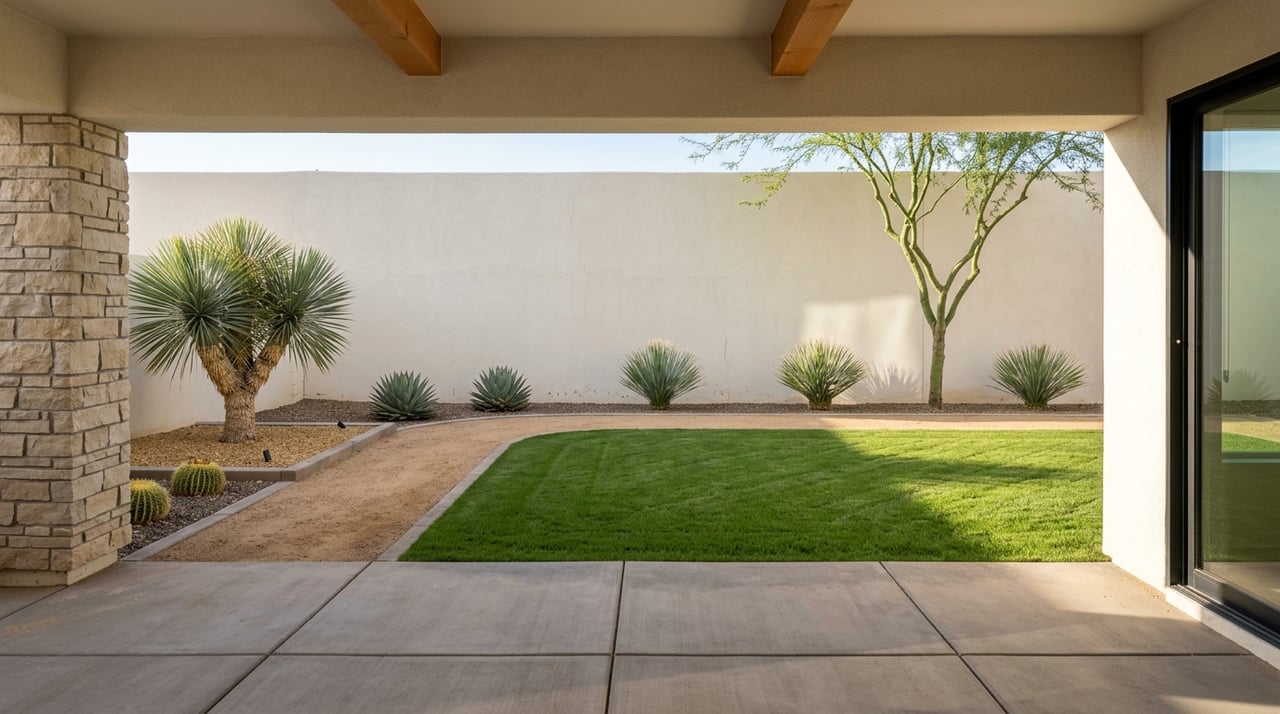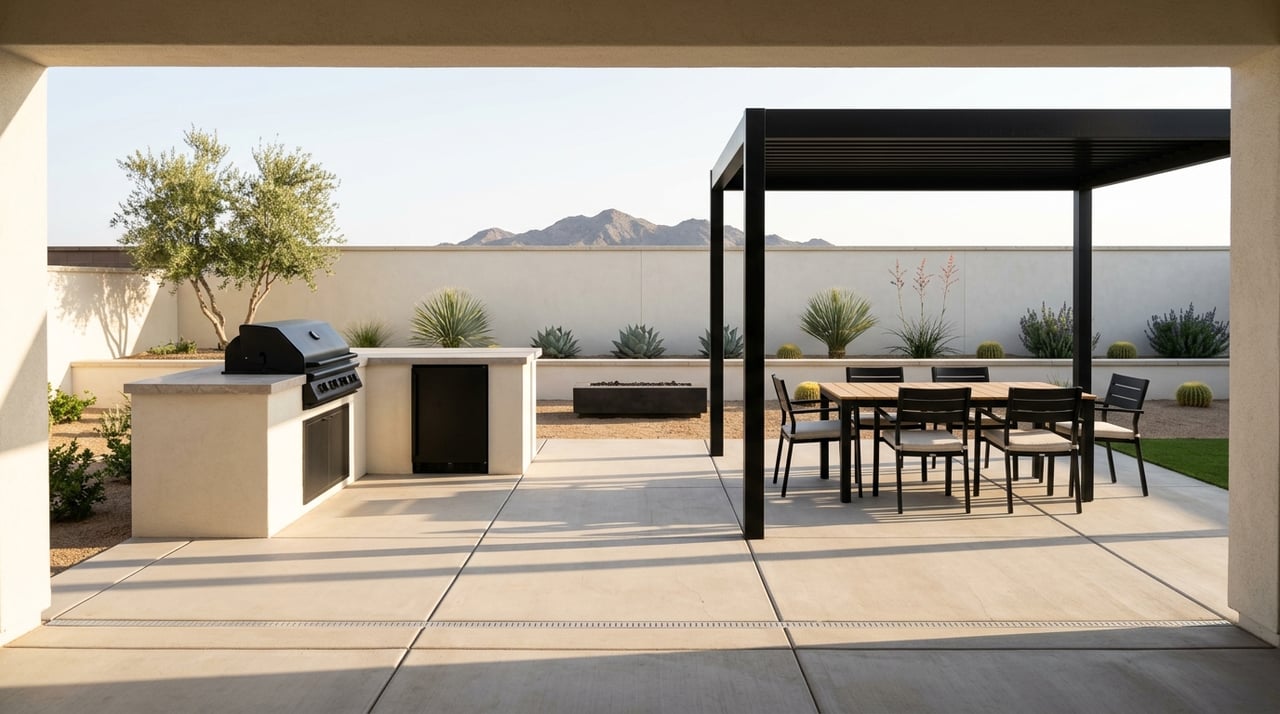
Torn between two of Las Vegas’s most talked-about classic neighborhoods? If you love character homes and generous yards but want clarity on HOA rules and renovation realities, you’re not alone. Choosing between McNeil Estates and the Scotch 80s comes down to how you live, what you plan to change, and the level of oversight you prefer. In this guide, you’ll find a clear framework to compare lot size, architectural character, HOA differences, and renovation potential so you can choose the neighborhood that fits your style. Let’s dive in.
Quick style snapshot
Both McNeil Estates and the Scotch 80s are established, character-rich neighborhoods in the Las Vegas area with a strong mid-century influence. You’ll see single-story ranch and custom homes, mature landscaping, and lots that encourage outdoor living. The key differences often reveal themselves in lot dimensions, level of original architectural detail, and how much governance you may encounter when you plan updates. A little due diligence ahead of time makes the choice clear.
Lot size and outdoor living
What to verify first
- Confirm typical lot size range and median for each area using official assessor records. Note both square feet and acres.
- Check lot shape and orientation. Rectangular lots are straightforward for additions, while pie-shaped lots can offer privacy but require careful planning.
- Review setbacks and zoning to understand where you can build, add a casita, or expand a garage.
- Look for alley access or front-load garages. Access can affect parking, privacy, and construction logistics.
How lot traits affect daily life
- Larger lots can support a pool, covered outdoor kitchen, garden, or RV parking. If you want a resort-like yard, prioritize size and usable shape.
- Orientation matters in the desert. North or east-facing backyards can feel cooler and may reduce energy load compared to full western exposure.
- Irregular lots may be more affordable, but they can limit addition size or require creative landscaping.
Pro tips for Las Vegas lots
- Plan for shade. Mature trees, covered patios, and pergolas can transform usability in summer.
- Think service access. Wider side yards make HVAC replacement, pool builds, and additions easier and sometimes cheaper.
- If you expect to add solar, note roof planes and tree coverage as you evaluate potential exposure.
Architecture and character
What you’ll see
- Mid-century ranch and custom designs are common, with stucco exteriors, low-slung rooflines, and generous patios.
- Many homes feature original masonry, carports that have been enclosed over time, and deep front setbacks that frame front lawns.
- Bedrooms and square footage vary, but the era suggests thoughtful indoor-outdoor flow and covered outdoor living.
Renovation style paths
- Restore and celebrate. If original details are intact, you can lean into mid-century features with period-appropriate finishes and lighting.
- Open and update. If you prefer modern living, verify whether interior walls are load-bearing and plan for electrical and HVAC capacity upgrades.
- Add without overpowering. Sensitively designed additions maintain roofline continuity and respect front elevations, which can help with future resale.
HOA and design control
What to ask before you buy
- Determine whether there is an HOA, and if so, whether it is mandatory or voluntary.
- Request CC&Rs, bylaws, and any architectural review guidelines before you make an offer.
- Review meeting minutes or summaries to understand enforcement history and turnaround times for exterior approvals.
- Confirm dues, reserve levels, and any recent or upcoming special assessments that could affect your carrying costs.
How HOA rules shape value
- Strong design review can preserve neighborhood character, which may support long-term values, but it can slow or limit exterior changes.
- No HOA offers flexibility, but it places responsibility on you to confirm city and county rules for exterior work and additions.
- If you plan bold exterior updates, factor in review timelines alongside permits to keep your project on schedule.
Renovation potential and common upgrades
Systems to evaluate in older homes
- Structure and foundation. Look for settlement, cracks, or uneven floors, and order a structural or geotechnical assessment if warranted.
- Roof and exterior envelope. Confirm roof age, stucco condition, and evidence of water intrusion.
- Mechanical systems. HVAC capacity is critical in the desert. Check age, tonnage, and duct condition. Evaluate water heater age and type.
- Plumbing and electrical. Older galvanized plumbing and undersized electrical panels can limit modern loads. Plan upgrades as needed.
- Energy performance. Many pre-1970 homes may have minimal insulation and single-pane windows. Window, insulation, and air sealing upgrades can significantly improve comfort.
- Hazardous materials. For homes built before 1978, plan for professional evaluation and proper handling of lead-based paint and potential asbestos-containing materials.
Permits and historic considerations
- Exterior changes, electrical service upgrades, plumbing relocations, and additions usually require permits. Confirm requirements with local building departments.
- If a property falls within a historic overlay or is subject to preservation guidelines, your material choices and design may be regulated. Clarify early.
- Before writing an offer, map out scope, gather contractor input, and confirm permit timelines to avoid surprises.
Resale and market factors
What tends to drive premiums
- Larger, usable lots and tasteful preservation of original character often command stronger interest.
- Thoughtful modernizations that respect the home’s scale and lines can add value without erasing the neighborhood’s appeal.
- Nonconforming additions or poor-quality remodels can make resale harder, especially in character-driven neighborhoods.
How to vet the numbers
- Review recent comparable sales, focusing on condition tier: original, lightly updated, and fully remodeled.
- Track days on market and price per square foot trends over several quarters to understand velocity and buyer preferences.
- Confirm property tax history and anticipate reassessment implications after major renovations.
Side-by-side decision checklist
Use this quick checklist to clarify which neighborhood aligns with your plans:
Lot priorities
- Do you need space for a pool, RV parking, or a guest house?
- Will an irregular lot shape limit your addition or outdoor layout?
- Is backyard orientation aligned with your comfort and energy goals?
Architectural preferences
- Do you want original mid-century details to restore, or a blank canvas for a more modern program?
- Are you comfortable managing load-bearing wall changes to achieve an open plan?
Governance tolerance
- Would you prefer HOA review to help preserve streetscape character?
- Do you want maximum flexibility for exterior changes and materials?
Renovation scope and timing
- Are you prepared for potential system upgrades like HVAC, panel, insulation, and windows?
- Can your timeline accommodate design review and permits if required?
Resale strategy
- Will your improvements align with neighborhood expectations and buyer demand?
- Are you tracking comps by condition tier, not just overall averages?
On-the-ground due diligence
Before you choose a neighborhood or make an offer, take these steps to protect your budget and timeline:
- Verify boundaries and parcel data with official assessor and GIS records.
- Pull current and recent sales for both neighborhoods and calculate medians for lot size, price per square foot, and days on market.
- Obtain and review HOA documents where applicable, including CC&Rs and any architectural review requirements.
- Check permit history for the property and confirm the process for planned work with the building department.
- Order inspections: general home, roof, HVAC, plumbing, electrical, pest, and structural or geotechnical if settlement is suspected.
- Confirm utility capacity, including electrical service size and sewer lateral location.
- Determine flood zone status and any insurance implications.
- Visit at different times of day to assess traffic, noise, and parking patterns.
- Ask about recent special assessments and nearby planned developments that could affect quality of life and resale.
Which fits your style?
If you dream of long afternoons under mature shade with space for a pool and outdoor kitchen, prioritize lots that give you room to grow. If you love the honesty of mid-century lines, look for homes with intact masonry, original millwork, and period window patterns to preserve. If flexibility matters, confirm whether there is an HOA and how strict it is. If design continuity matters, a stronger review process may feel like a feature, not a bug.
The right choice is the one that supports how you live, the updates you plan, and the level of design stewardship you value.
Plan your move with a concierge approach
When you are choosing between two classic neighborhoods, the details do the heavy lifting: parcel data, HOA rules, inspection results, and a well-sequenced renovation plan. If you want a confident path from first tour to final punch list, partner with an advisor who blends design sense with due diligence. From curated property previews to contractor introductions and permit planning, you deserve a refined, end-to-end experience.
Ready to compare McNeil Estates and the Scotch 80s with clarity? Connect with Laurelle Timms for a private strategy session and neighborhood tours. Start Your Refined Home Journey.
FAQs
What should I check about lot size when comparing McNeil Estates and the Scotch 80s?
- Verify the median and typical range using official assessor records, note lot shape and orientation, and confirm setbacks and zoning for additions or pools.
How do HOA rules differ between older Las Vegas neighborhoods?
- Some areas have no HOA, others have voluntary or mandatory associations; always obtain CC&Rs and architectural guidelines and review approval timelines before you buy.
What renovation issues are common in mid-century Las Vegas homes?
- Expect to evaluate HVAC capacity, roof condition, insulation, older plumbing or electrical, and potential lead-based paint or asbestos in pre-1978 homes.
How can I gauge resale potential in McNeil Estates and the Scotch 80s?
- Compare recent sales by condition tier, track days on market and price per square foot, and look for tasteful updates that respect original character.
Do historic guidelines affect renovation costs in these neighborhoods?
- If a property is within a historic overlay or subject to design standards, material choices and methods may be regulated, which can increase costs and timelines.